

Here’s a scary truth: diabetes doesn’t just affect your blood sugar. Over time, it can silently damage your eyes, kidneys, nerves, and heart—often before you even notice symptoms.
China now has over 230 million people living with diabetes—the largest diabetic population in the world, accounting for one-quarter of all global cases. And with 72% of Chinese diabetes patients already experiencing complications, this isn’t just statistics. This is personal.
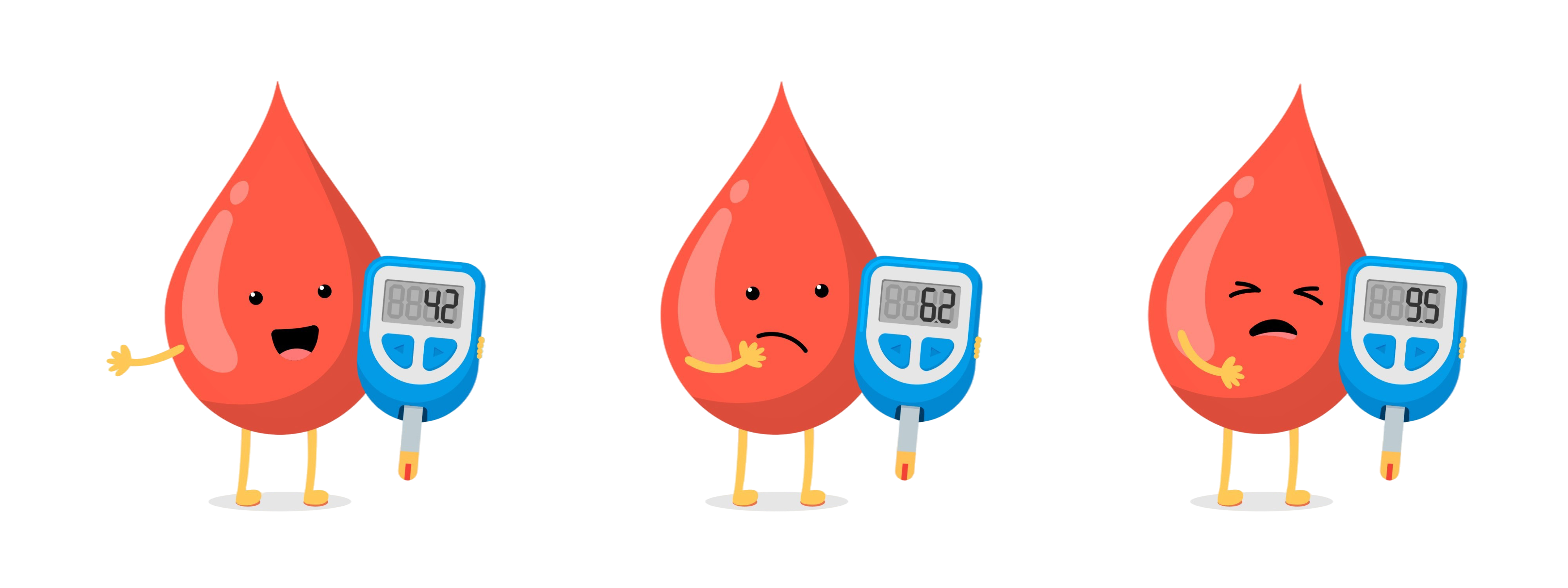
Blood Sugar Ranges (Adults)
Fasting Blood Glucose
(No calories for at least 8 hours)
Normal: 70–99 mg/dL (3.9–5.5 mmol/L)
Prediabetes: 100–125 mg/dL (5.6–6.9 mmol/L)
High / Diabetes: ≥126 mg/dL (≥7.0 mmol/L)
Let’s talk about what high blood sugar actually does to your body—and why catching it early can change everything.
How Sugar Causes Damage (Simply Explained)
Imagine your blood vessels as smooth highways. When blood sugar stays high for too long, it’s like pouring syrup on the road. The sugar sticks to proteins in your blood vessels and forms what scientists call AGEs (Advanced Glycation End-products)—think of them as “sugar rust.”
This “rust” makes blood vessels stiff, inflamed, and damaged. It also creates harmful molecules called free radicals that attack your cells from the inside. The smallest blood vessels—like those in your eyes, kidneys, and nerve endings—get hit the hardest.
That’s why diabetes complications tend to show up in very specific places. Let’s look at each one.
Your Eyes: Diabetic Retinopathy
Diabetic retinopathy is the leading cause of blindness in working-age adults worldwide. The tiny blood vessels in your retina (the “screen” at the back of your eye) are extremely delicate. High blood sugar damages them, causing them to leak, swell, or grow abnormally.
Early warning signs:
• Blurry vision that comes and goes
• Floaters or dark spots in your vision
• Difficulty seeing at night
• Colors looking faded or washed out
The tricky part? Often there are NO symptoms until damage is already advanced. That’s why annual eye exams are critical if you have diabetes or prediabetes.
Your Kidneys: Diabetic Nephropathy
Your kidneys are nature’s filters—they clean about 180 liters of blood every day. Diabetes damages the tiny blood vessels inside these filters, causing them to leak protein (especially albumin) into your urine and slowly lose function.
Diabetic kidney disease is now the leading cause of kidney failure requiring dialysis worldwide. In China, the prevalence of diabetic nephropathy is rising rapidly alongside the diabetes epidemic.
Early warning signs:
• Foamy or bubbly urine (a sign of protein leakage)
• Swelling in ankles, feet, or hands
• Needing to urinate more often, especially at night
• Persistent fatigue or difficulty concentrating
Your Nerves: Diabetic Neuropathy
About 50% of people with diabetes will develop some form of nerve damage. High blood sugar damages the small blood vessels that feed your nerves, essentially starving them of nutrients and oxygen.
The feet and legs are usually affected first (peripheral neuropathy), but it can also affect digestion, heart rate, bladder control, and sexual function (autonomic neuropathy).
Early warning signs:
• Tingling, burning, or “pins and needles” in feet or hands
• Numbness or reduced ability to feel pain/temperature
• Sharp pains or cramps, especially at night
• Wounds on feet that don’t heal
This is why foot care is so important in diabetes—numbness means you might not notice cuts or blisters until they become serious infections.
Your Heart: Cardiovascular Disease
People with diabetes are nearly twice as likely to have heart disease or stroke compared to those without diabetes. And they tend to develop it at younger ages.
High blood sugar accelerates atherosclerosis—the buildup of fatty plaques in your arteries. Combined with the inflammation and oxidative stress we discussed earlier, this creates a perfect storm for heart attacks and strokes.
Early warning signs:
• Chest discomfort or pressure during activity
• Shortness of breath
• Fatigue or weakness
• Swelling in legs or ankles
The Good News: Prevention Works
Here’s what the research shows clearly: keeping blood sugar well-controlled dramatically reduces your risk of all these complications. The landmark DCCT and UKPDS studies proved that intensive glucose management can prevent or delay the onset and progression of eye, kidney, and nerve damage.
Your action plan:
• Get screened: Annual eye exams, kidney function tests (eGFR, urine albumin), and foot checks
• Know your numbers: Work with your doctor on A1C, blood pressure, and cholesterol targets
• Don’t smoke: Smoking multiplies your risk of every complication
• Lifestyle first: The diet, exercise, and sleep habits from our earlier posts protect your entire body, not just blood sugar
As we say in Chinese: “防患于未然“ (fáng huàn yú wèi rán)—prevent trouble before it happens. When it comes to diabetes complications, early detection is your best medicine.
The Bottom Line
Diabetes complications aren’t inevitable—they’re preventable. The damage happens slowly, over years, which means you have time to intervene. But the window is limited. High blood sugar is a silent enemy. Don’t wait for symptoms; get screened, stay informed, and take control of your metabolic health today.
Coming Up Next
Stay tuned for Part 4 of our Diabetes & Metabolic Syndrome Series: “Prediabetes: The Warning Window You Don’t Want to Miss.” We’ll explore what prediabetes actually means, how to know if you have it, and why this stage is your best chance to turn things around.
If you found this helpful, please consider following our official WeChat page or Substack to support evidence-based nutrition content that’s accessible to everyone! 💚